Solutions

Passive Data Networks

Combining high-performance cabling with certified installation to deliver reliable, scalable network infrastructure built for the future.

What We Do

Complete passive network infrastructure, built for performance.

Combining high-performance cabling with certified installation to deliver reliable, scalable network infrastructure built for the future.
Who it’s for
Retail
Manufacturing
Logistics
Hospitality
Education
Everything under
Passive Data Networks

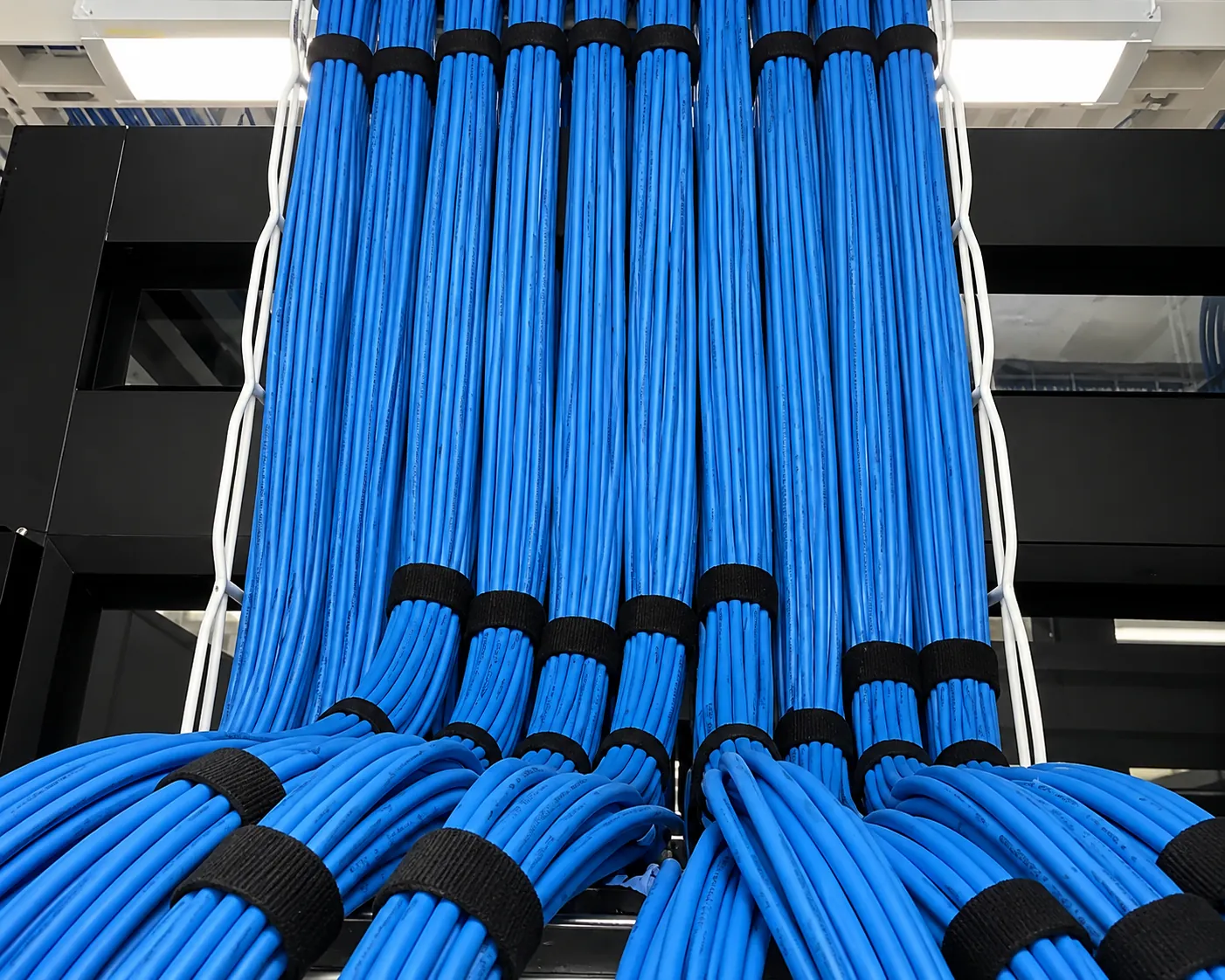
Copper Structured Cabling

Structured cabling systems designed for reliable and efficient data transmission.

  • Copper structured cabling solutions for small or large data networks
  • Testing and certification results
  • Quality installation and equipment used for optimal results

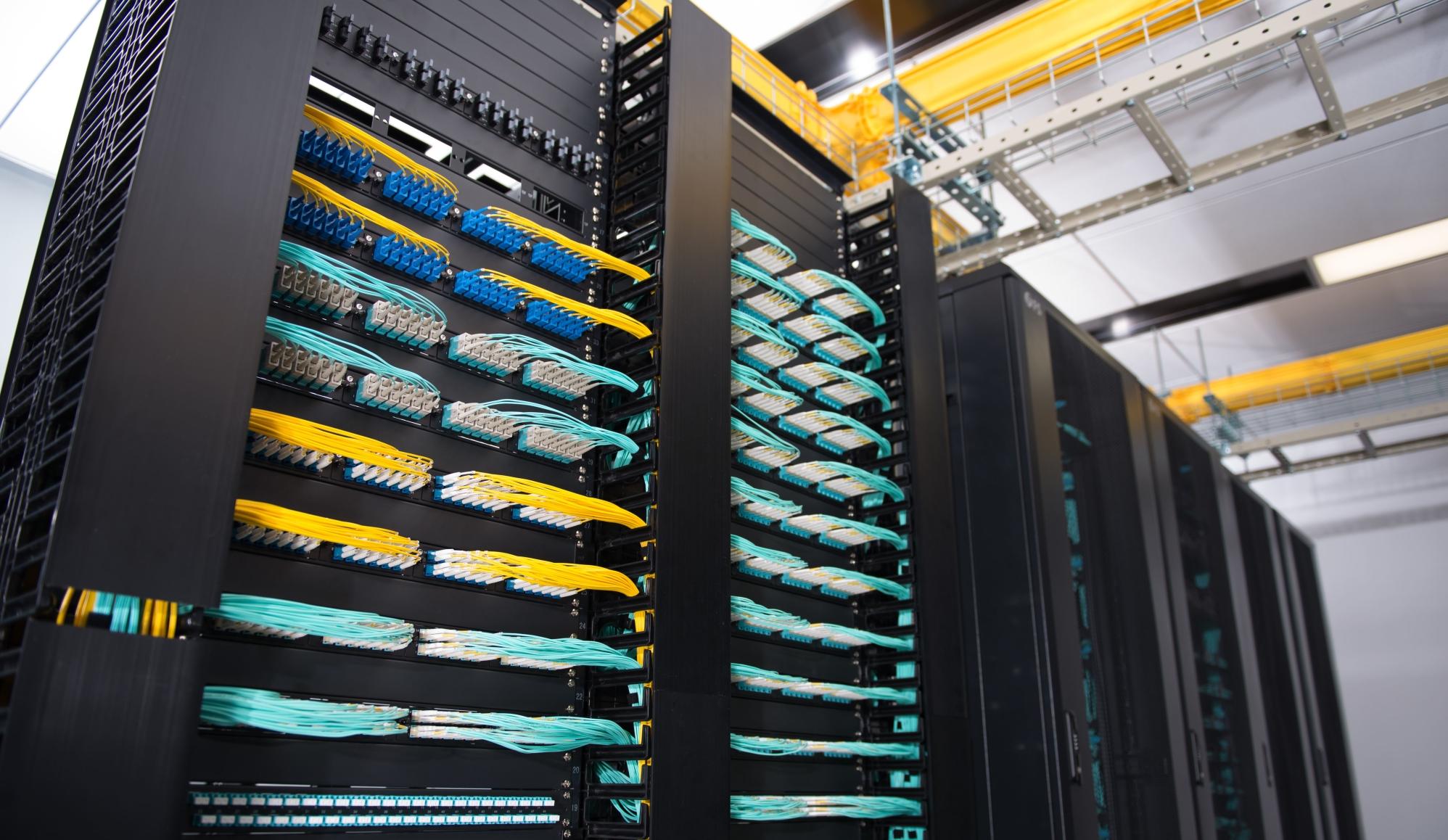
Fibre Optic Laying and Certification

High-speed fibre optic networks fully tested and certified for performance, compliance, and long-term reliability.

  • Fusion splicing and termination
  • Testing and certification results

Our Proven Process

Understand

Assess Gaps & Opportunities

Design & Proposal

Planning & Kick-off

Installation & Commissioning

Proactive Support Kick Off

System Health Review & Feedback

Improvements & Updates

Scheduled Inspections & Maintenance

Repeats continuously

Step 1

Understand
  • Understand your objectives, priorities and existing challenges.
  • Review your premises, existing systems and day-to-day operational needs.
  • Identify relevant safety, security and compliance requirements.
  • Discuss your budget, project timelines and future expansion plans.
  • Gather the information needed through discussions, drawing reviews and site visits, as appropriate..

Step 2

Assess Gaps & Opportunities
  • Assess how your existing systems or project plans meet your requirements.
  • Identify gaps in coverage, performance, reliability and ease of use.
  • Recommend suitable technologies to address identified risks and operational challenges.
  • Consider integration with existing systems and opportunities for future expansion.
  • Prioritise recommendations and clearly explain any limitations or gaps outside the proposed scope.

Step 3

Design & Proposal
  • Design a solution around your needs, premises and budget.
  • Define the equipment, device locations and supporting infrastructure required.
  • Present a clear proposal explaining the solution and its benefits.
  • Clearly set out the scope, exclusions, responsibilities and any recurring costs.
  • Review the proposal together and agree on the final scope, payment terms and anticipated programme.

Step 4

Planning & Kick-off
  • Introduce your project lead and establish clear points of contact.
  • Confirm the agreed scope and finalise working drawings where required.
  • Coordinate equipment procurement, resources and installation schedules.
  • Agree site access, readiness requirements and coordination with other contractors.
  • Confirm project milestones and how progress updates and changes will be managed.

Step 5

Installation & Commissioning
  • Install your systems in line with the agreed design and applicable installation requirements.
  • Coordinate with your team and other contractors, keeping you informed throughout.
  • Agree any necessary changes to scope, cost or timelines before proceeding.
  • Configure, test and commission the systems against the agreed requirements.
  • Train your nominated users and provide the relevant handover documentation.
  • Review the completed work with you, record any outstanding items and agree their resolution.

Step 6

Proactive Support Kick Off
  • Introduce our reactive and proactive teams and explain how to request assistance.
  • Review your maintenance needs and agree a suitable service plan.
  • Explain warranty coverage, service inclusions and any exclusions.
  • Confirm support arrangements, escalation contacts and agreed response targets.
  • Schedule planned maintenance and activate any agreed remote support or monitoring services.

Ongoing

System Health Review & Feedback
  • Share a clear summary of your systems’ condition and performance.
  • Explain findings, their implications and recommended priorities.
  • Review recurring faults, support history and feedback from your team.
  • Discuss changes to your premises, operations or requirements.
  • Agree the next actions, responsibilities and target dates.

Ongoing

Improvements & Updates
  • Carry out approved repairs, adjustments and system improvements.
  • Plan suitable software or firmware updates where applicable.
  • Recommend upgrades or replacements as equipment ages or your needs change.
  • Update relevant system records and provide additional user guidance where needed.
  • Verify completed improvements and feed the results into the next maintenance cycle.

Ongoing

Scheduled Inspections & Maintenance
  • Carry out inspections and preventive maintenance at the agreed intervals.
  • Test system operation and check the condition of relevant equipment.
  • Identify faults, deterioration and potential reliability issues.
  • Record completed work, test results and any outstanding actions.
  • Highlight urgent findings promptly and recommend corrective work.

Our Guarantee

We don’t get paid until we’ve made it right.

If you’re not satisfied with our service, we’ll work with you to resolve the issue before issuing our invoice.

Compliance

Certified, compliant, continuous.

Structured cabling and fibre infrastructure installed, tested and certified to recognised standards for reliable, high-performance connectivity.
ISO 9001:2015
Ensures a consistent, quality-driven approach across every stage of delivery, from planning through to completion.
ISO 27001:2022
Certified processes ensure information is managed securely, with robust internal controls for confidentiality, integrity and availability.
ISO/IEC 11801
Installations designed, installed and tested in accordance with ISO/IEC 11801 structured cabling standards.